
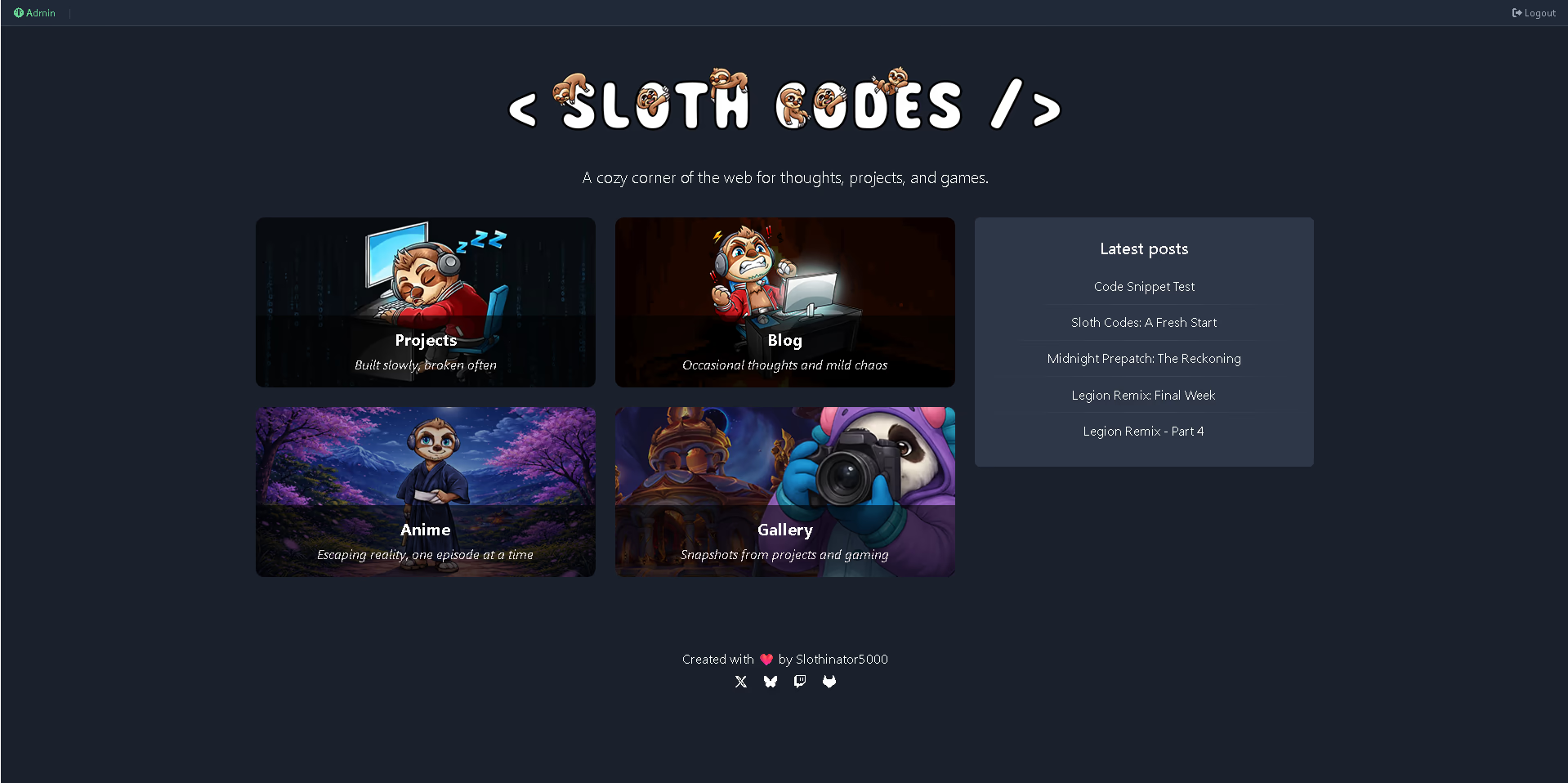
If you've been around the site for a while, you might have noticed things are looking a little different lately. What started as a WordPress blog has quietly evolved into something much more custom, and I thought it was worth writing about why I made the switch and what that actually means under the hood.
Why WordPress Wasn't Cutting It Anymore
WordPress is great. I'm not going to sit here and pretend it isn't, I mean for a lot of people, it's the perfect tool. But as the site grew and I started wanting more control over how things looked and worked, I kept running into the same walls. Every time I wanted to do something slightly custom, I was fighting against WordPress rather than working with it. Plugins conflicting with each other, themes that were almost right but not quite, and a codebase I didn't own.
I wanted something that felt like mine, and had a lot more extendibility.
Enter Laravel
Laravel is a PHP framework - think of it as a set of tools and conventions that make building web applications much more structured and enjoyable. Rather than dropping files into a WordPress theme folder and hoping for the best, everything in Laravel has a proper place. Controllers handle the logic, Blade templates handle the layout, and the whole thing is version controlled in Git so I can track every change I make.
The conversion wasn't a redesign, it was a like for like port. The goal was to take everything the WordPress site was doing and rebuild it properly in Laravel, with the same look and feel but with a codebase I actually understand and can extend however I want.
The Admin Backend
One of the biggest wins of this project is the admin panel. Previously I was using the WordPress dashboard which, while functional, is quite bloated for what I actually need. The new admin is completely custom built - just the features I use, nothing I don't.
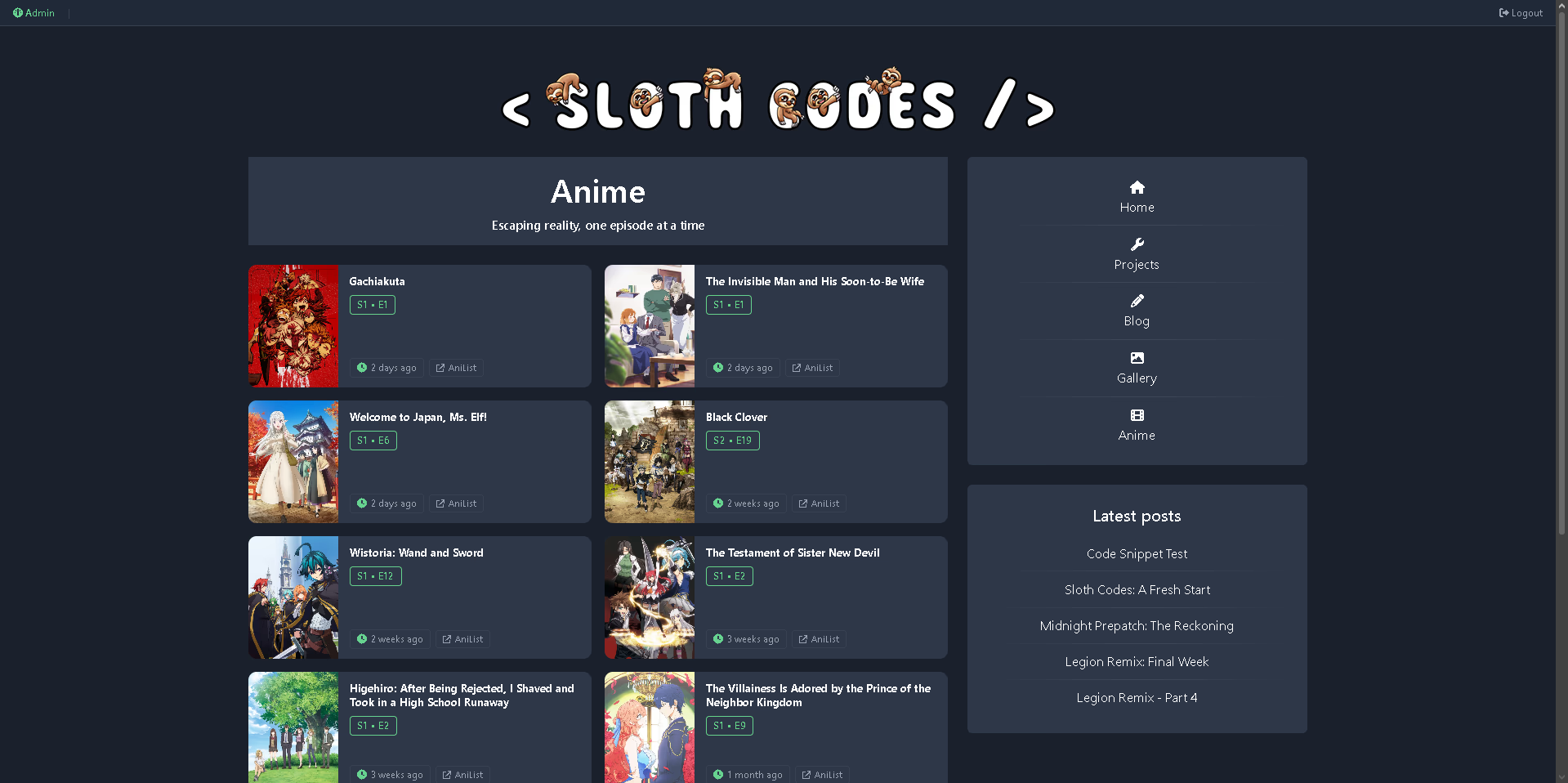
From the dashboard I can manage blog posts, projects, the gallery, and even track my anime watching history. Blog posts support rich text editing with TinyMCE, including code blocks with syntax highlighting and an image picker that pulls directly from the gallery. Everything is connected, when I upload an image to the gallery and tag it as a featured image for a post, it just works.


Anime Tracking
This one's a bit of a niche feature but I'm quite proud of it. The site now tracks my anime watching history automatically via Plex and Tautulli. When I finish an episode, a webhook fires, Laravel picks it up, logs it to the database, and syncs my progress to AniList. No manual logging, no remembering to update anything, it just happens in the background.
What's Next
The foundation is solid now and there are a few things I still want to add - drag and drop reordering for projects is on the list, and I'd like to add a proper search to the blog at some point. But mostly this feels done, which is a rare and satisfying feeling for a personal project.
If you're a developer sitting on a WordPress site that doesn't quite feel like yours anymore, I'd genuinely recommend giving Laravel a look.
- Sloth